Daily life in Han Dynasty China (Western and Eastern Han, 202 BCE-220 CE)
A grounded look at routines across the full Han era, where farming villages, market towns, and imperial administration shaped everyday life.
Han Dynasty society stretched across diverse regions, from the millet and wheat fields of the north to rice-growing areas in the south. Daily life was organized around family households, local markets, and the demands of state administration, with agriculture and craft work forming the base of most people’s routines.
This page is a broad Han overview across both the Western Han (202 BCE-9 CE) and Eastern Han (25-220 CE). For a narrower period-focused treatment, see daily life in Western Han China (202 BCE-9 CE).
Housing and Living Spaces
Most people lived in timber-and-earth houses built around courtyards or small enclosed yards. Walls were made from packed earth or wattle-and-daub, and roofs used thatch or tiles depending on wealth. A typical home included a main room for cooking and sleeping, small storage areas for grain and tools, and a yard for animals, drying crops, or craft tasks.
Space was adaptable. Mats, low tables, and folding screens allowed rooms to serve multiple purposes across the day. In towns and cities, homes were arranged along lanes with gates that marked family compounds, while in rural areas houses clustered near fields and irrigation channels. Wells, communal ovens, and local shrines were shared resources that connected households into neighborhood networks.
Wealthier families lived in larger compounds with multiple courtyards, separate kitchens, and rooms for servants or apprentices. These homes often displayed status through tiled roofs, carved wood, and larger storage facilities. By contrast, smallholder families kept living space close to work areas, with the household’s tools, animals, and food supplies within a compact layout designed for efficiency.
Domestic maintenance was constant. Earthen walls needed repair after heavy rains, and roofs were patched to prevent leaks. Fuel and water storage shaped daily movement, and the home’s layout reflected the need to protect grain from dampness and pests. Housing therefore blended living space with production and storage in ways that reflected both climate and social rank.
In towns, neighborhoods were organized into wards with gates that could be closed at night, and households relied on nearby wells or public water points. Heating came from braziers or small hearths, while summer routines shifted toward shaded courtyards and open doors for airflow. The arrangement of living and storage areas reflected both security concerns and the need to keep food and tools close at hand, especially during periods of poor harvests.
Food and Daily Meals
Staple foods varied by region. Millet and wheat were common in northern areas, while rice dominated in the south. Meals often included gruel, steamed grains, and flatbreads, paired with vegetables, beans, and preserved foods. Soy products, pickled vegetables, and salted fish provided protein when meat was scarce.
Cooking relied on stoves and clay or iron pots, with fuel from wood or crop residues. Households ground grain with stone mills or hand querns and stored food in ceramic jars or woven baskets. Seasonal harvests required careful storage, and families dried vegetables and cured meats to stretch supplies through winter or drought periods.
Markets connected rural producers with urban consumers. Street vendors sold cooked foods, and market days were important social events for exchanging goods and news. Taxes and state granaries influenced household food security, since grain levies could reduce surplus but also provided relief during shortages. The rhythm of meals followed the agricultural calendar, with larger meals after fieldwork and lighter food during peak labor.
Tea was not yet an everyday drink for most people, but herbal infusions and boiled water were common. Wine made from grain was used in rituals and gatherings, while daily drinking focused on safe water and thin gruels. Food was typically eaten in family groups, and the organization of meals reflected household hierarchy and the need to balance labor with nourishment.
Household granaries and sealed jars protected grain through lean seasons, and surplus could be traded for tools or cloth. Market regulations and taxes affected prices, making careful budgeting a routine household skill. Seasonal festivals and ancestor rites brought special foods to the table, linking everyday meals to ritual life.
Cooking smells, shared utensils, and the reuse of leftovers in porridges or soups reflected a frugal approach to household management. Food was also a form of gift and exchange, strengthening ties among relatives and neighbors.
Work and Labor
Agriculture employed most of the population. Families plowed, planted, weeded, and harvested grain, while tending pigs, chickens, and oxen. Irrigation canals and dikes required cooperative labor, and seasonal tasks dictated the rhythm of work throughout the year. Farm households often combined fieldwork with spinning or weaving to supplement income.
State demands shaped labor through taxes and corvée obligations. Men could be required to serve on building projects, road construction, or military duty, while local officials organized transport of grain and materials. Artisans produced pottery, lacquerware, metal tools, and textiles, sometimes working in state workshops but often in small family enterprises tied to local markets.
Urban work included trade, shipping on rivers, and services in markets and administrative centers. Merchants moved salt, iron goods, and textiles between regions, and porters and boatmen handled the physical movement of goods. In towns, apprentices learned crafts within master households, blending domestic life with training and labor.
Work roles were shaped by age and gender, with children helping in fields, gathering fuel, or minding animals. Women commonly managed household production of textiles and food processing, while also working in fields during peak seasons. The household functioned as a unit of labor, and the success of daily routines depended on coordination across family members.
State monopolies in salt and iron influenced local employment, from mining and smelting to transport and sales. River and canal work supported shipping and tax collection, and draft animals and carts were essential for moving grain to market. The mix of household production and state demands made work both local and tied to imperial policy.
Seasonal hiring for harvests and construction created short-term wage work, while long-distance merchants relied on hostels and caravan networks. Daily labor therefore ranged from routine household tasks to episodic obligations imposed by the state, with travel and transport work expanding during market peaks.
Social Structure
Han society was hierarchical, with the emperor and court at the top, followed by officials selected through recommendation and education. Local elites and landowning families held influence in villages and towns, while most people were farmers, artisans, or laborers. Merchants were economically important but held lower formal status than farmers and officials.
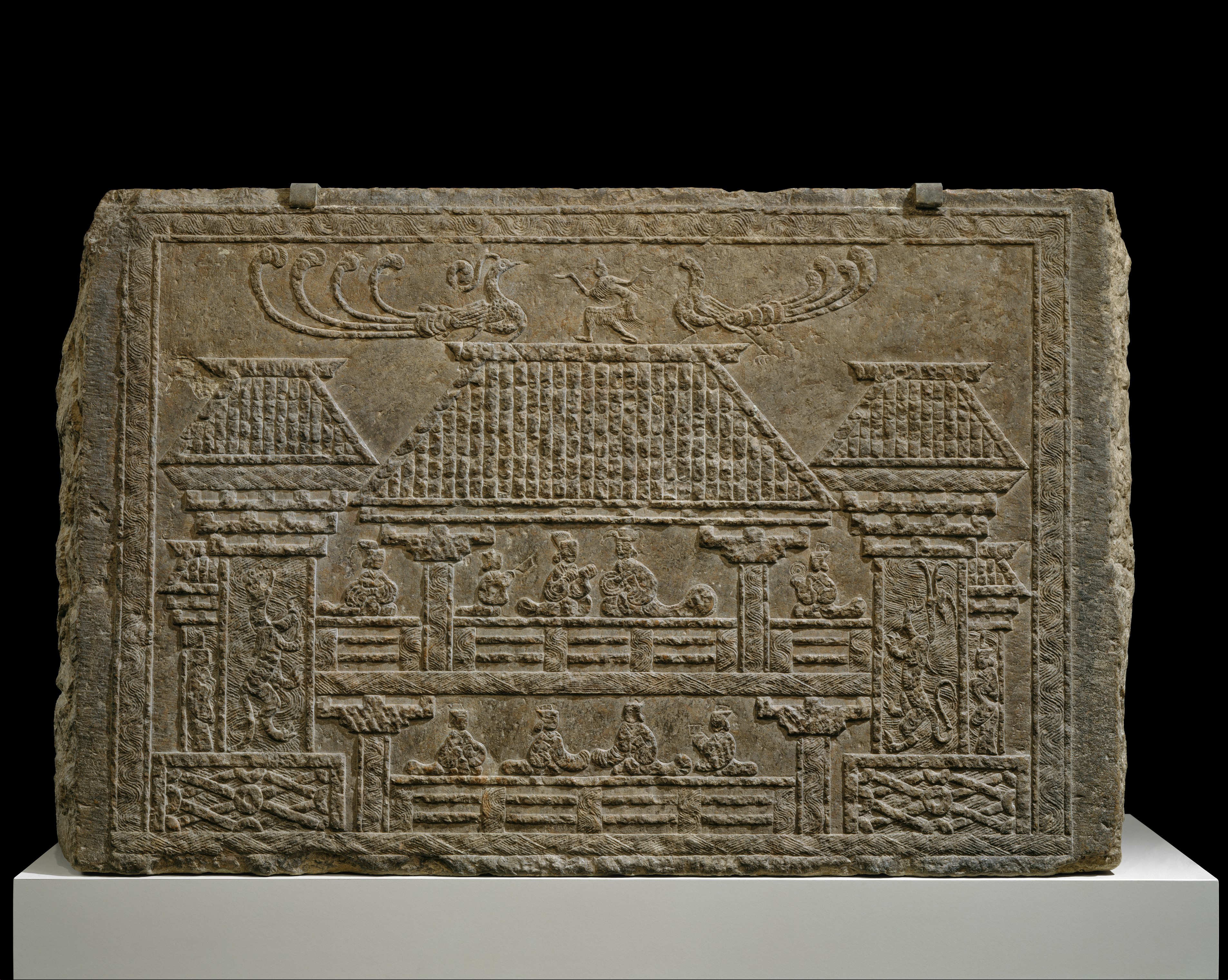
Family structure and filial obligation shaped everyday behavior. Households often included multiple generations, and inheritance practices emphasized continuity of the family line. Rituals for ancestors and seasonal festivals tied families to wider community life, reinforcing shared expectations about duty, respect, and social order.
Education and literacy offered a path to status, but access was limited to families with resources. Local administration regulated taxes, land disputes, and community labor, making officials a visible part of daily life. Social mobility existed, yet it was constrained by land ownership, connections, and the ability to support education.
Community cooperation was essential for irrigation, flood control, and defense. Villages organized mutual aid for harvests and repairs, while marketplaces and festivals brought different groups together. Social life therefore combined formal hierarchy with practical interdependence at the household and village level.
Local headmen and officials handled disputes, tax collection, and corvée assignments, making administration a visible part of everyday life. Respectability was tied to family reputation, landholding, and adherence to ritual obligations, so social standing was reinforced through daily behavior as much as through formal rank.
Marriage alliances and kinship networks influenced access to land and credit, while community feasts and funerals reaffirmed social bonds. Even in small villages, the presence of officials, tax collectors, and traveling merchants reminded households of their place in the wider empire.
Honor, reputation, and the ability to meet obligations shaped social standing, and disputes could damage a family’s prospects for marriage or advancement. Local customs, rituals, and shared labor reinforced community expectations alongside the formal hierarchy.
Tools and Technology
Iron tools were widespread, including plowshares, sickles, and hoes that improved agricultural productivity. Ox-drawn plows and seed drills supported more efficient planting, and simple wheelbarrows and carts moved grain and tools between fields and storage areas. These technologies reduced labor for some tasks while increasing expectations of output.
Craft work relied on looms, spindles, and dyeing vats for textiles, and kilns for pottery. Metallurgy produced iron knives, cooking vessels, and farming implements, while woodworking tools supported construction and cart making. Water-powered mills appeared in some areas, helping to grind grain and process materials more efficiently.
Administrative technology was also important. Bamboo slips, brushes, and ink supported record keeping, and standardized weights and measures helped markets function. The combination of durable farm tools and organized administration linked everyday labor to the broader systems of state control and trade.
Locks, pulleys, and wooden fittings supported storage and construction, while simple irrigation gates helped regulate water flow in canals. Everyday technology also included baskets, ropes, and woven mats used for carrying goods, drying crops, and storing tools, showing how small-scale materials supported daily work. Oil lamps and simple calendars helped coordinate tasks across seasons, keeping household routines aligned with planting and harvest cycles.
Clothing and Materials
Clothing reflected region, occupation, and status. Common people wore simple robes or tunics made from hemp or coarse silk, tied with belts and worn with cloth shoes or sandals. Wealthier households used finer silk, layered garments, and decorative sashes that signaled rank and role.
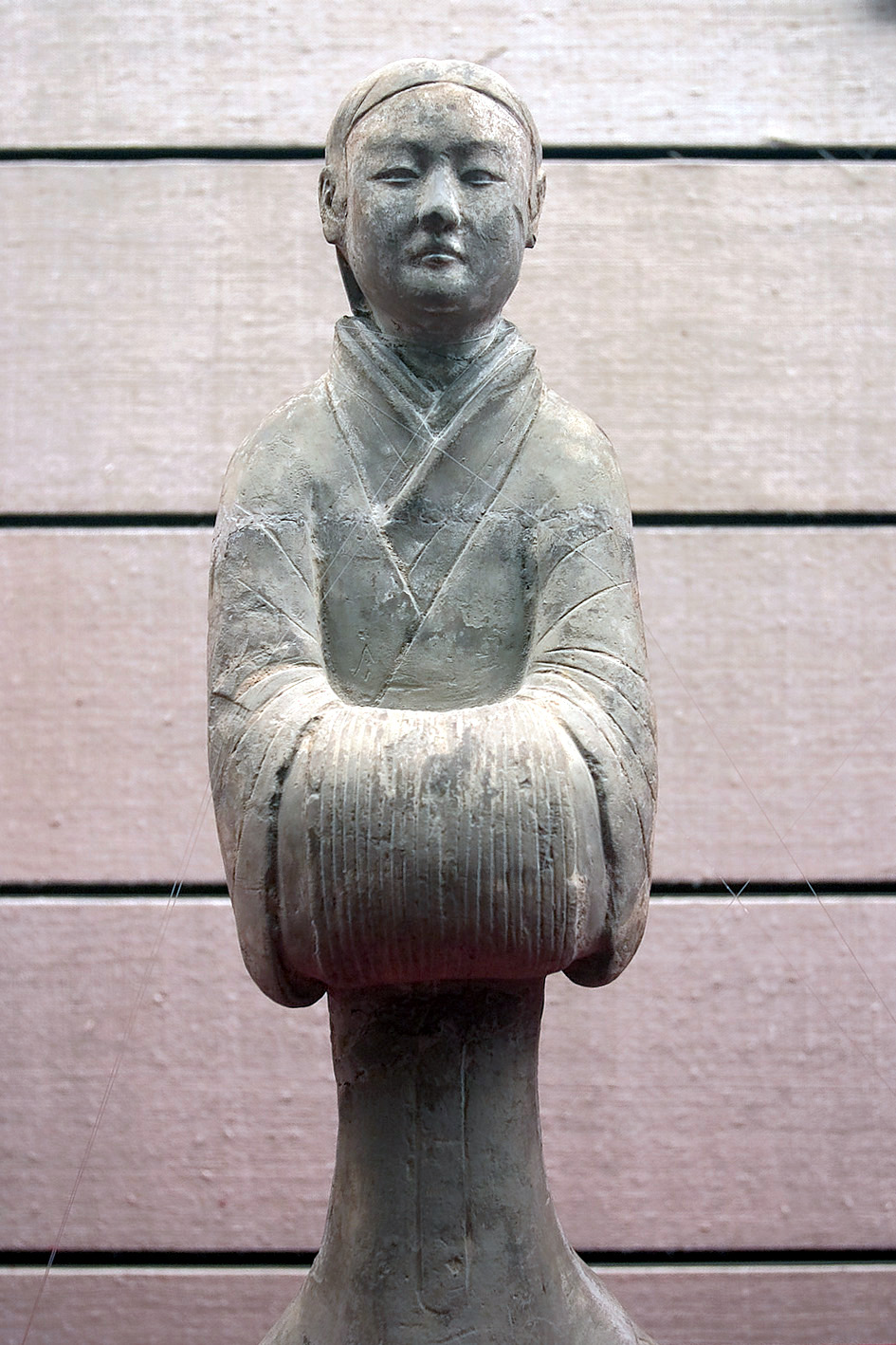

Textile production was a major household activity. Women spun thread, wove cloth, and repaired garments, while dyeing and embroidery added color for those who could afford it. Hats and hairpins were used to mark age and status, and official dress followed regulated patterns and colors.
In colder regions, padded jackets or layered robes provided insulation, while in warmer areas lighter garments were common. Clothing was durable and often passed down or altered as needed, making mending and reuse part of daily routines. Materials like leather and felt appeared in belts, shoes, and travel gear, linking clothing to wider craft production and trade.
Seasonal clothing cycles meant heavier garments were brought out in winter and stored in summer, with careful attention to pests and dampness. Work clothing was practical and plain, while ceremonial dress used brighter colors and finer silk. The contrast between everyday wear and formal attire made social roles visible in routine gatherings.
Daily life in Han Dynasty China combined household labor with the demands of empire. Farming schedules, market exchanges, and administrative obligations shaped a routine in which family cooperation and local community ties were essential.